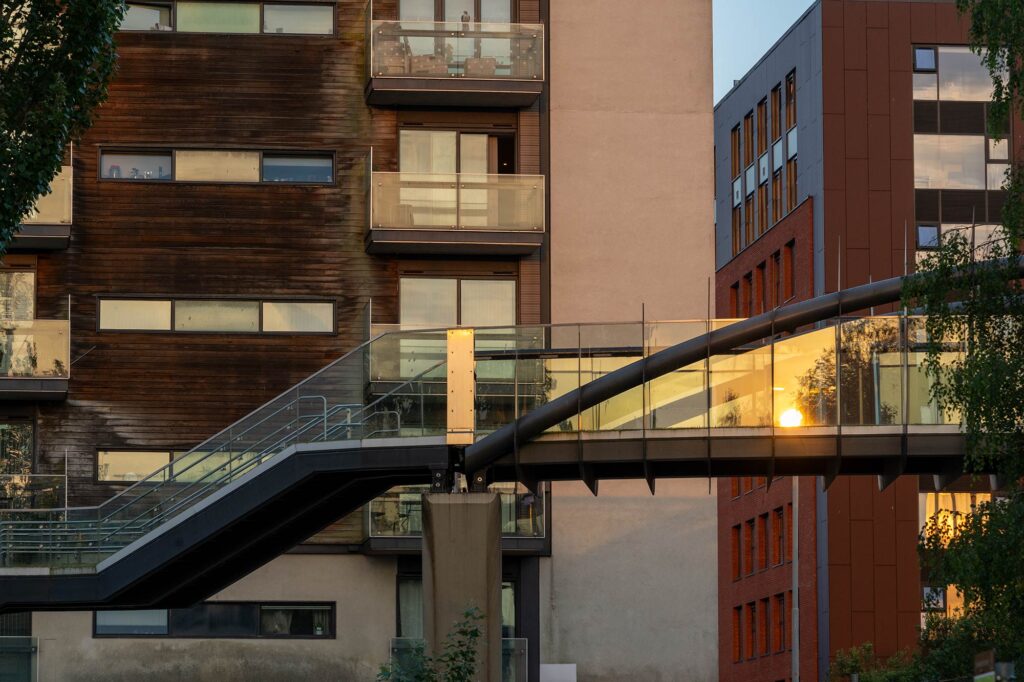
Is the original Tamron 28-200mm still worth buying now that the 25-200mm is out?
Specs
Feature
Tamron 28-200mm f/2.8-5.6 (A071)
Mount
Sony E-Mount (Full Frame)
Max Aperture
f/2.8 (at 28mm) to f/5.6 (at 200mm)
Weight
575g (Incredibly lightweight for a superzoom)
Filter Size
67mm (Shares filters with other Tamron lenses)
Image Stabilisation
No (Relies on Camera IBIS / Post-stabilisation)
What I Paid
£385 (eBay, second-hand)
The Tamron 28-200mm f/2.8-5.6 Di III RXD (Model A071) was first released in 2020. More recently, Tamron released its successor, the 25-200mm, in late 2025. For budget-minded photographers like me, that means plenty of the original A071 model is available second-hand at attractive prices. I got my copy in excellent condition off eBay for £385 – a steal for what this lens delivers.
Why I Chose the Tamron 28-200mm
Why this lens? What made me choose an older superzoom when newer, faster, or prime options were available for my Sony A7C?
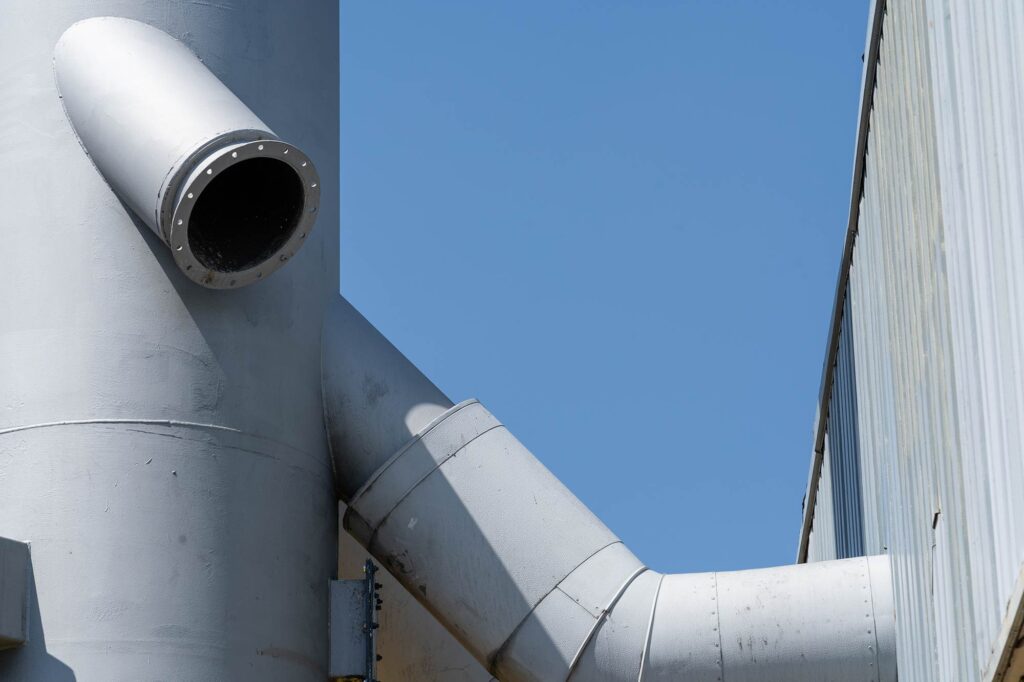
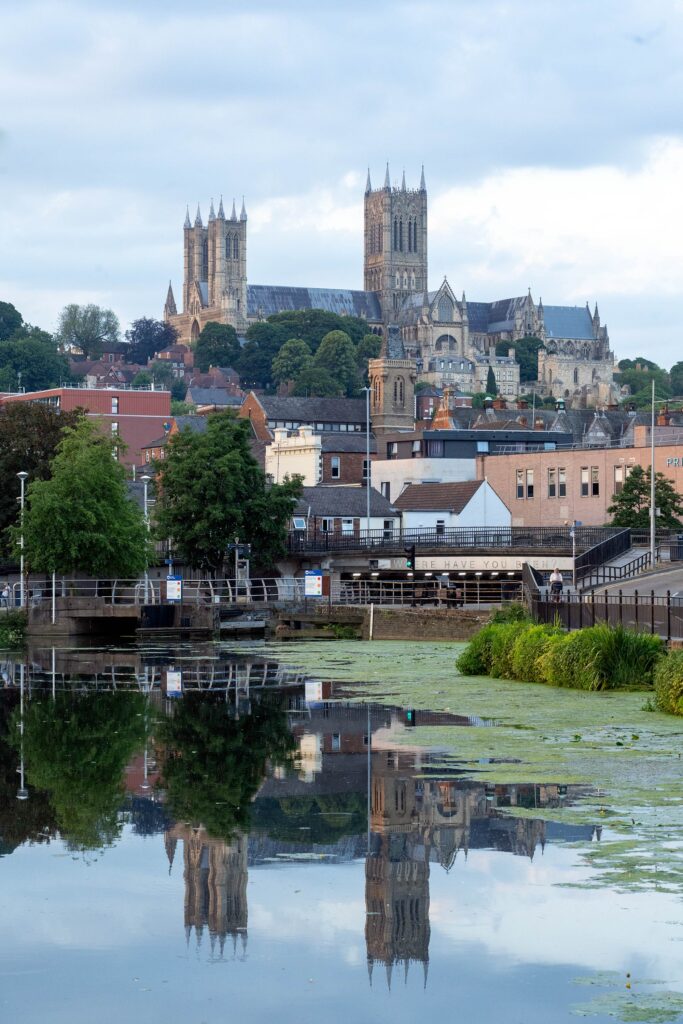
As you can see in the image above, even at 146mm and f/10, this thing is impressively sharp across the frame, with minimal distortion or chromatic aberration for a lens of this type and focal range. But that optical quality, while certainly a bonus, wasn’t the main reason for my purchase. My decision was driven by a specific use case and a growing frustration with my existing setup.
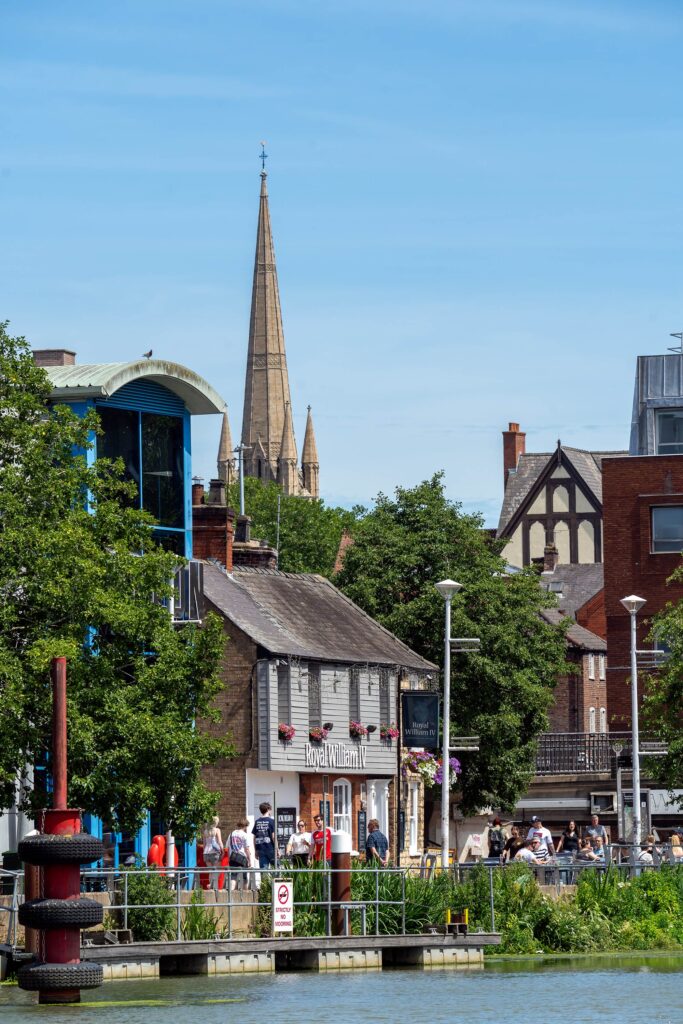
An All-In-One Video Lens For B-Roll
For my video B-roll footage, particularly when documenting our canal boat trips, I’d been relying on the rather ubiquitous Sony FE 28-70mm f/3.5-5.6 OSS kit lens. Let’s be honest, it’s not going to win any awards for stunning photography, but for quick, grab-and-go video clips, it has generally served my needs well enough.
However, a funny thing started happening. Once that lens was mounted for video, I’d often find myself nipping ashore, or grabbing a quick shot from the boat, and taking a few stills with it too. The main problem quickly became apparent: the 70mm telephoto end simply wasn’t reaching far enough. When you’re trying to capture wildlife or interesting architecture on the far bank of a wide canal or river, 70mm just leaves you wanting more reach. On top of this, my trusty (but ageing) 28-70mm started showing signs of malfunctioning, with intermittent live-view freezing. It was time for a change.

A Budget Superzoom: Why the Tamron 28-200mm Stood Out
Being perennially budget-conscious, I researched cheap but good zoom lenses for Sony’s E-mount system. The Tamron 28-200mm f/2.8-5.6 Di III RXD kept resurfacing in reviews and forum discussions. It had completely passed me by, perhaps because I hadn’t been actively shopping for lenses for my Sony Alpha system for quite a while.
Initially, I wrote it off due to a significant omission: this lens lacks optical image stabilisation. My thinking was that any shot over 70mm, especially when shooting video handheld, would be a shaky mess. We all know how average Sony’s in-camera stabilisation is on those earlier camera models like my A7C. This seemed like a deal-breaker for my video work.

However, my b-roll clips are short — typically two to three seconds. That gives me enough leeway to get a usable, stable clip if I apply post-stabilisation, like Warp Stabiliser in Premiere Pro or Catalyst Browse’s gyro data stabilisation. Suddenly, having not just 70mm but a whopping 200mm at the long end – all within a remarkably lightweight package – for both video and stills photography became incredibly appealing.
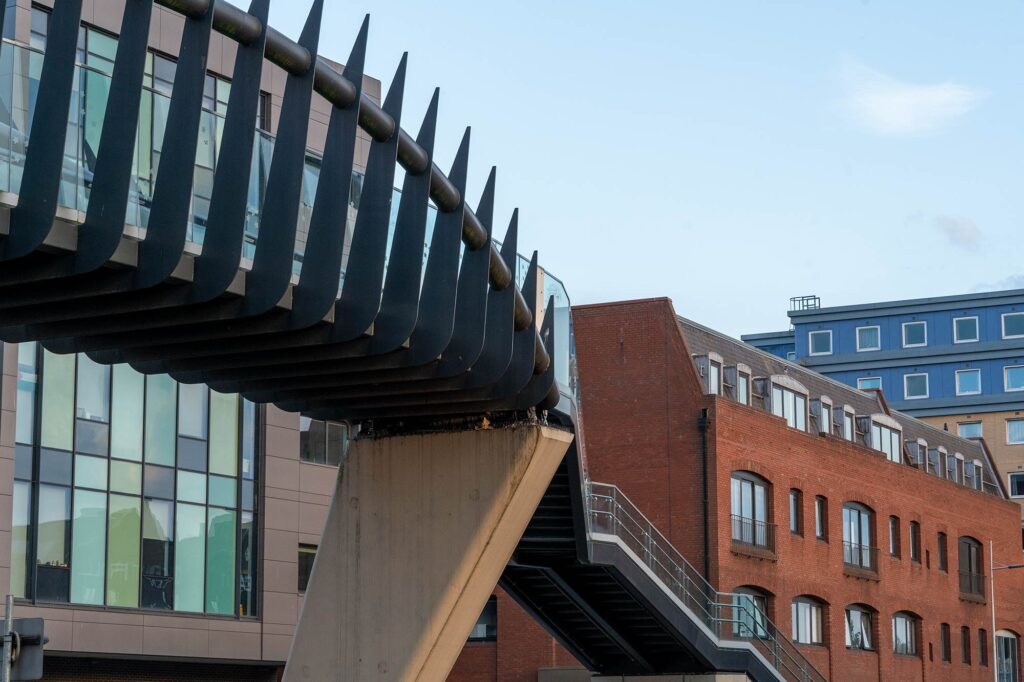
Before this, I was often hopping ashore and taking stills with what is essentially a kit lens. The results were acceptable, but they certainly weren’t inspiring. It was time to treat myself to something more capable, and from everything I had read, the Tamron 28-200mm was consistently praised for delivering excellent optical performance far beyond its price. Those reviews turned out to be spot on – it really does.
Great Handling On A Small Camera
What impresses me most is the weight and handling of this lens, especially with a compact full-frame body like the Sony A7C. Because it omits optical stabilisation, it’s considerably lighter than stabilised alternatives or many other lenses covering this focal range.
Even fully extended to 200mm, it balances well on the A7C’s small body. That matters to my shooting style, as I detest lugging heavy, bulky gear – especially on a boat where space and agility are key. I rarely carry spare lenses, preferring to stick to a single prime for a specific look. The range from 28mm to 200mm in one optic is therefore not only a novelty but also a luxury when the setup is this easy to handle.
Technical Impressions: Sharpness, Aperture, and Autofocus Performance
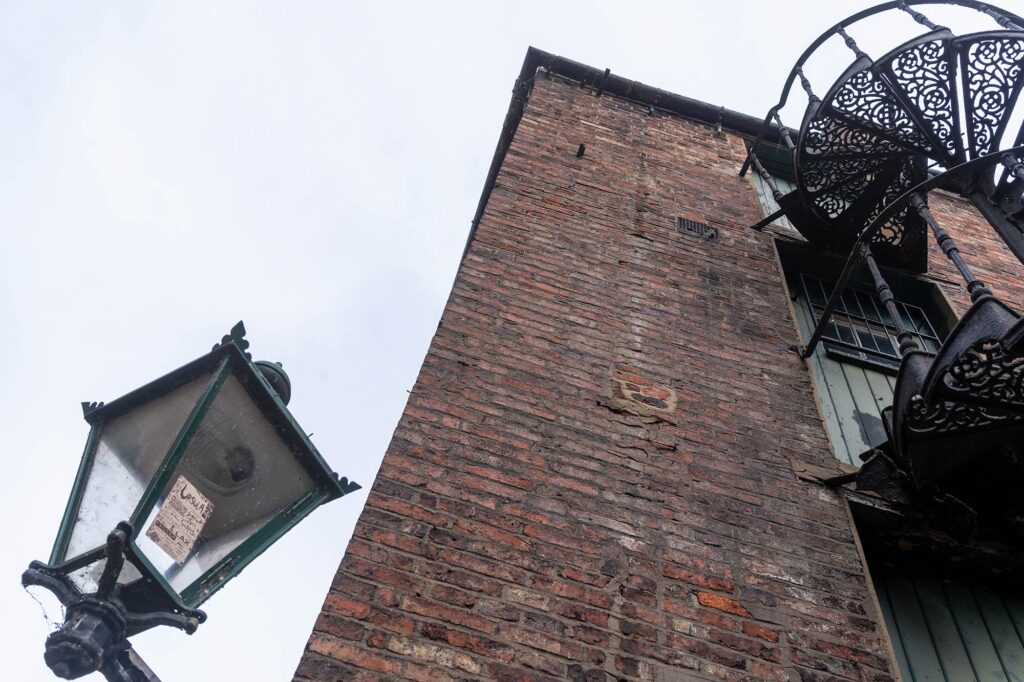
Optical Performance (Sharpness & Resolution): For a superzoom covering such a wide focal length range (28mm to 200mm), the sharpness of the Tamron A071 is genuinely impressive, particularly in the centre and throughout most of its range. Even towards the edges, it holds up better than many lenses in this category. While it won’t rival a high-end prime lens at its sweet spot, it punches well above its weight for convenience. Peak sharpness typically falls between f/8 and f/11.

Variable Aperture (f/2.8-5.6): The f/2.8 maximum aperture at 28mm is useful, permitting good light gathering in wider shots and some subject isolation. As you zoom, it moves to f/5.6 at the telephoto end. This variable aperture is a compromise for size and weight, but it still gives flexibility. For video, where I often shoot at f/8 or f/11 for depth of field anyway, this isn’t a major hindrance. For stills, I’ve managed to achieve pretty good background separation at 200mm if the subject is close enough.

Autofocus (RXD Motor): The RXD (Rapid eXtra-silent stepping Drive) motor is quick, quiet, and reliable. It pairs well with the Sony A7C’s fast autofocus. I can’t comment on focus-hunting, as most of my b-roll is fixed focus.
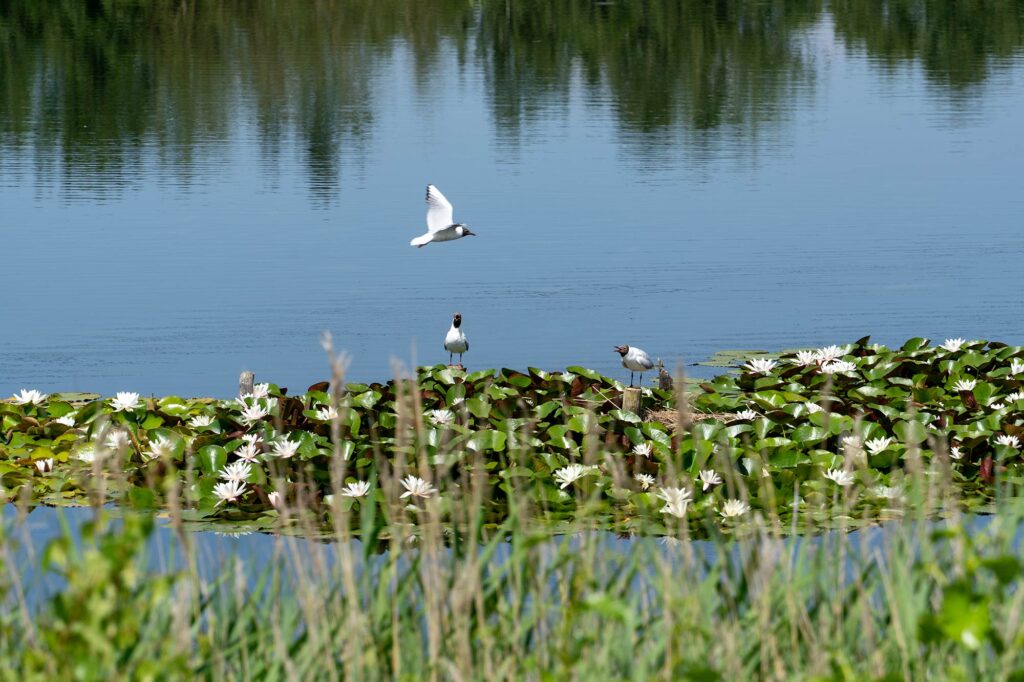
Minimal Aberrations: As noted earlier, chromatic aberration is well controlled, and what little does appear is easily corrected by Lightroom’s or ACR’s lens profiles. Minor vignetting is present wide open, but I rarely shoot at 2.8 anyway. Distortion, particularly at the widest end, is also well controlled for a superzoom and is corrected automatically by the camera’s profiles.

The More Recent 25-200mm
As I stated earlier, the 28-200 was replaced by the 25-200mm. Budgetary constraints aside, that extra 3mm at the wide end doesn’t interest me. If I’m doing extreme wide-angle work, I have dedicated primes for that. In casual shooting, I can’t think of an occasion when I want 25mm. When I shoot wide-angle street, I go for 28mm. If I want 24mm for landscape, I have lenses for that scenario, and they don’t get used that often. There are a few other advantages of the newer model, including a dedicated custom button and a USB port for firmware updates. If you need 25mm, like the performance of the 28-200mm, and are less budget-conscious, it could be worth it.

A Do-It-All For Mirrorless Travel & Video
In short, I’ve found a genuinely great replacement for my ailing Sony 28-70mm kit lens. Not only have I gained a whopping 130mm of extra telephoto reach, but I’m also capturing tack-sharp images and, importantly, usable video clips even at 200mm with a little post-stabilisation magic.
This Tamron 28-200mm f/2.8-5.6 Di III RXD (Model A071) is now my go-to lens for travel, casual photography, and all my B-roll video needs on the Sony A7C. It’s the kind of lens that lets me leave the heavy bag in the cupboard, knowing that I have great versatility mounted on the camera.